

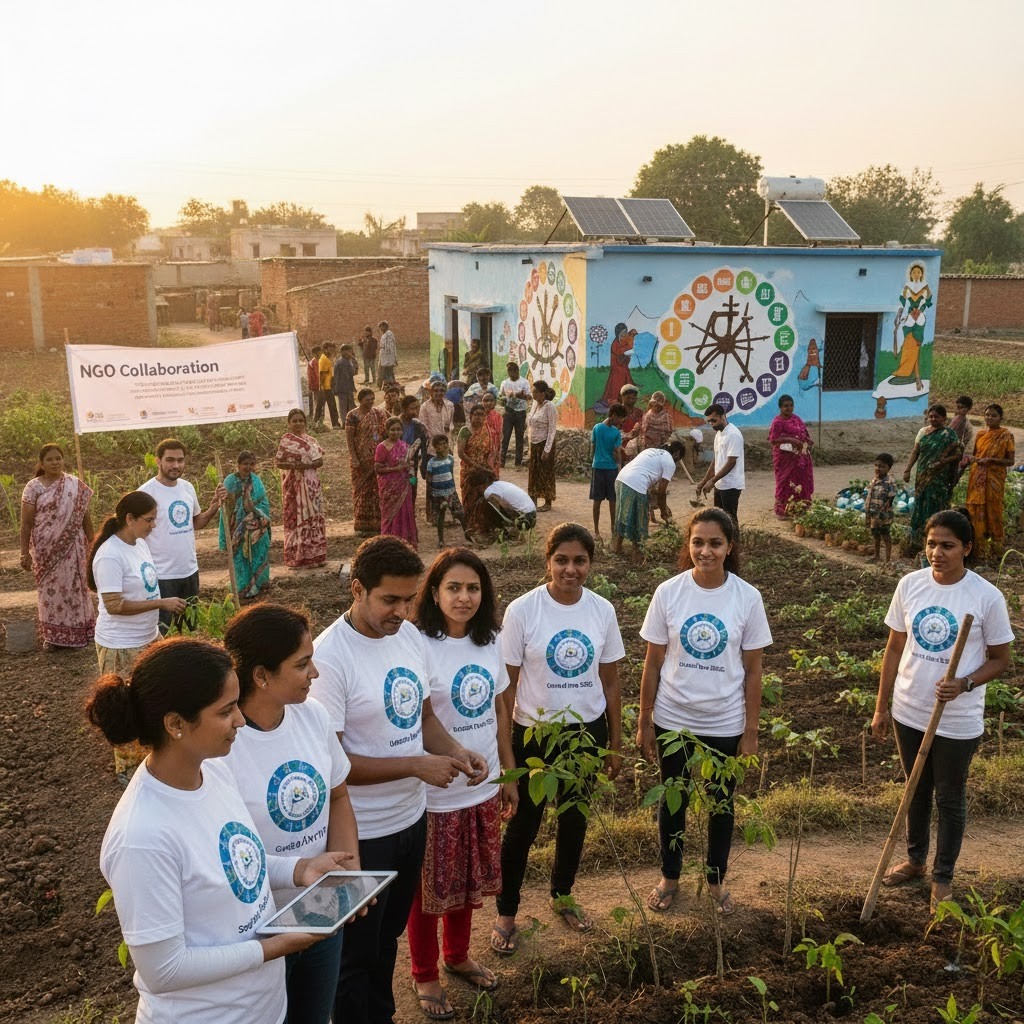
NGO collaboration plays an essential role in achieving the Sustainable Development Goals (SDGs) by creating powerful synergies between organizations, volunteers, and communities across India. One standout example of how effective NGO partnerships can be structured is through an NGO volunteer platform – SevakArmy, which connects passionate individuals with meaningful opportunities to contribute to society.
Table of Contents
Why does it matter?
At its heart, NGO collaboration refers to two or more non‑governmental organizations working together toward shared goals. By pooling resources, expertise, and volunteers, NGOs can achieve broader impact and reach communities more effectively than by working alone. This type of collaboration is especially important when addressing complex global targets like the SDGs, which include ending poverty, quality education, health and well‑being, gender equality, and climate action.
A key ingredient that strengthens NGO partnerships is access to an NGO volunteer platform. Sevak Army brings NGOs together with motivated volunteers, making collaborative projects easier to organize, implement, and scale nationwide.
How Collaboration Enhances Progress on the SDGs
- Shared Expertise and Resources
When NGOs collaborate, they share specialized knowledge, tools, and people power. Instead of duplicating efforts, they build on each other’s strengths to respond efficiently to community needs. For example, one organization might focus on community health while another focuses on education; by collaborating, they can integrate both services in a single program. - Expanded Outreach and Impact
Collaboration enables NGOs to serve more people across regions and population groups. When multiple organizations join hands, they reach remote communities that would otherwise be underserved. Sevak Army helps accelerate this by matching volunteers with opportunities that align with specific SDG‑related causes like environmental conservation or literacy programs. - Improved Volunteer Engagement
Volunteers are vital to any social movement. A strong system ensures volunteers are connected with genuine opportunities that match their skills, interests, and availability. This support makes it easier for NGOs to carry out large‑scale outreach programs related to SDG targets, while volunteers gain meaningful experience and contribute to real change. - Resource Optimization
Pooling volunteers and shared funding sources helps NGOs do more with less. Collaboration prevents redundancy and improves efficiency, allowing NGOs to focus on innovation and sustainable solutions for long‑term impact. SevakArmy streamline this process by helping organizations list opportunities and manage volunteer participation efficiently.
Role of NGO volunteer platform in Driving SDGs
- Connects Volunteers with Verified Projects: Volunteers can find verified work, like roles that directly contribute to developmental goals, from educating youth to supporting health drives.
- Supports Skill‑Based Volunteering: Volunteers get matched to tasks that use their strengths, increasing the quality and impact of services delivered.
- Encourages Long‑Term Engagement: Recognition through certificates, badges, and points motivates volunteers to stay involved and grow in their contributions.
- Enables Transparency and Trust: By reviewing opportunities and tracking engagement, platforms help build trust between NGOs and volunteers.
- Amplifies Outreach Across India: Digital platforms reach urban and rural areas alike, helping NGOs scale their efforts quickly and effectively.
Examples of SDGs Boosted Through NGO Collaboration
- No Poverty and Zero Hunger
Collaborative programs distribute food, provide livelihood training, and support families in need. Volunteers contribute through food drives and income-generation training sessions. - Quality Education and Gender Equality
Joint educational initiatives deliver schooling and mentorship programs to underserved children, especially girls. NGO volunteer platform, Sevak Army helps place teaching volunteers in schools or community centers where needed. - Good Health and Well-Being
Health camps and awareness drives become more frequent and effective when organizations work together. Volunteers assist with logistics, community mobilization, and spreading vital health information. - Clean Water and Climate Action
Environmental NGOs collaborate on clean water projects, tree plantation drives, and waste management campaigns. Volunteers help amplify efforts in local communities for greater impact.
10 Pro Tips for Effective NGO Collaboration
1. Define Clear Goals
Set specific, measurable, achievable, relevant, and time-bound targets for your collaboration. Clear goals help align all partners’ efforts, ensure accountability, and track progress toward meaningful impact on SDG objectives.
2. Use Technology Tools
Leverage an NGO volunteer platform, SevakArmy to manage tasks, organize volunteers, track participation, communicate updates, and streamline collaboration. Technology enhances efficiency, transparency, and scalability of social development projects.
3. Agree on Roles and Responsibilities
Clearly define each partner’s duties, expectations, and authority. This prevents confusion, avoids overlap, ensures accountability, and allows each organization to contribute effectively toward shared social development objectives.
4. Prioritize Transparency
Regularly share progress reports, challenges, and impact assessments among all partners and volunteers. Transparent communication builds trust, strengthens relationships, and motivates stakeholders to remain committed to SDG-focused projects.
5. Engage Local Communities
Involve local community members in planning and decision-making. Their insights, feedback, and participation improve project relevance, sustainability, and cultural sensitivity while ensuring the programs address real community needs.
6. Train Volunteers
Provide proper training, guidance, and orientation before assigning responsibilities. Well-prepared volunteers perform tasks efficiently, reduce errors, understand project goals, and contribute meaningfully toward achieving social development and SDG outcomes.
7. Foster Open Communication
Establish consistent communication channels such as meetings, calls, and updates. Open dialogue allows partners to address challenges promptly, share progress, and maintain alignment toward collaborative social impact objectives.
8. Track Impact Metrics
Collect and analyze data on outcomes, reach, and effectiveness of projects. Monitoring metrics demonstrates progress toward SDGs, informs decision-making, and helps adjust strategies for greater community benefit.
9. Celebrate Successes Together
Recognize achievements of partners and volunteers through appreciation events, certificates, or public acknowledgment. Celebrating success boosts morale, encourages continued engagement, and reinforces a culture of collaboration and commitment.
10. Plan for Long-Term Engagement
Build sustainable partnerships beyond one-off projects by nurturing relationships, evaluating impact, and setting long-term objectives. Consistent engagement ensures continued progress toward SDGs and lasting community development benefits.
FAQs
Q1: What is NGO collaboration, and how does it help social development?
Involves multiple organizations joining forces to share resources, expertise, and volunteers, helping address complex social issues and reach more communities effectively. Such partnerships also enhance efficiency, avoid duplication of efforts, and enable long-term sustainable development.
Q2: How does volunteering help in community development?
Volunteering unites individuals through an NGO volunteer platform to support education, healthcare, environmental projects, and social initiatives, creating tangible improvements in local communities while fostering civic responsibility. Volunteers also gain leadership skills and strengthen community bonds.
Q3: Can students join NGOs for volunteering?
Students can participate in NGO activities, gaining practical experience, learning valuable skills, and contributing to meaningful social causes alongside experienced volunteers and mentors. This involvement builds confidence, enhances teamwork, and prepares them for future professional and personal growth.
Q4: Why should NGOs use a volunteer platform?
Volunteer platforms simplify recruitment, task management, and volunteer tracking, helping NGOs operate efficiently, maximize impact, and maintain transparency with both volunteers and communities. These platforms also facilitate better communication, reporting, and long-term engagement.
Q5: What kind of volunteering opportunities are available in India?
Volunteering opportunities include teaching, health camps, environmental projects, disaster relief, mentorship, and social initiatives, allowing participants to match roles with personal interests. Many projects on SevakArmy also provide training, certificates, and recognition to encourage continued participation.
Conclusion
NGO collaboration is a powerful force in advancing the Sustainable Development Goals. When organizations work together and harness the strength of volunteers, the pace and quality of social impact increase significantly. Tools that connect volunteers to meaningful work, SevakArmy, play a vital role in strengthening partnerships, expanding reach, and building a culture of service that contributes to a more equitable and sustainable future for all.
