

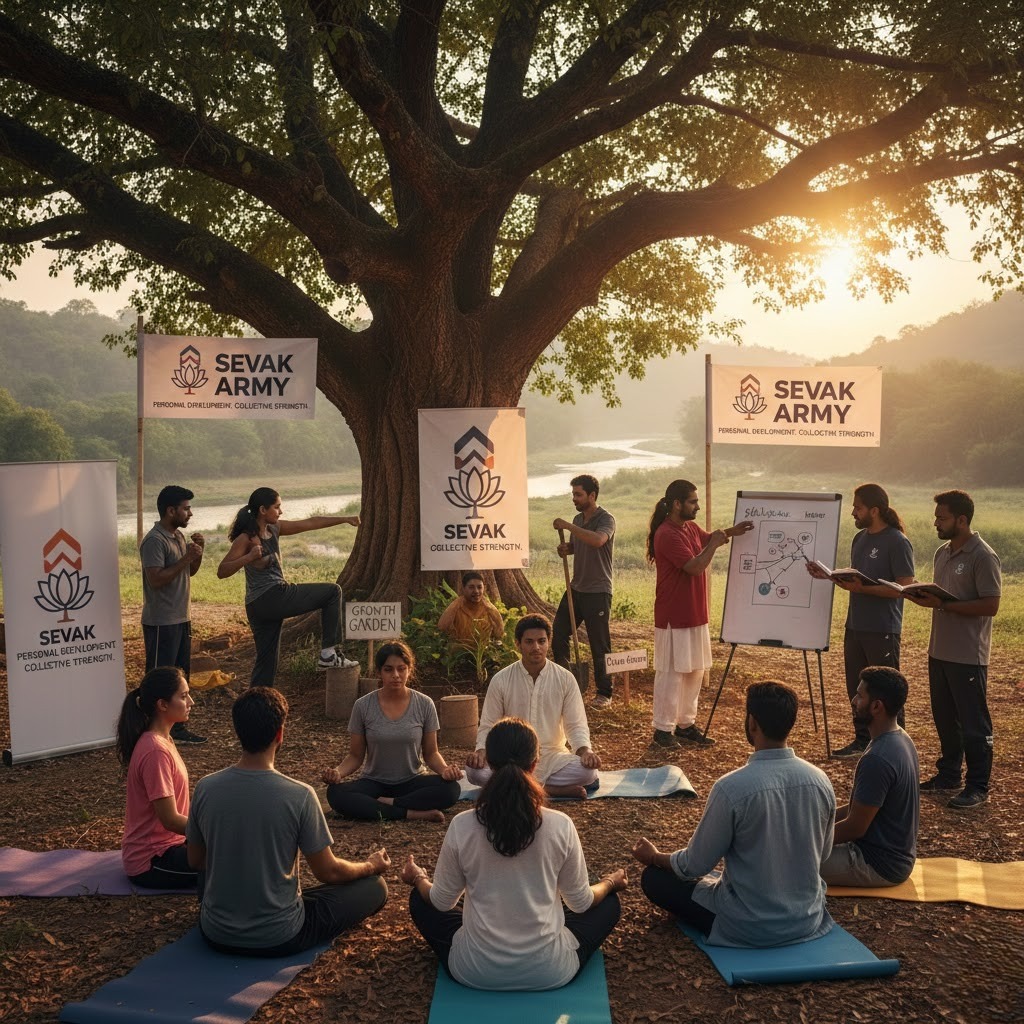
Personal development plays a crucial role in helping individuals adapt to change in today’s fast-moving world. Change can appear in careers, communities, social roles, or personal responsibilities, and the ability to respond positively often determines long-term success and well-being. Along with personal benefits, growth-oriented individuals also tend to strengthen social responsibility by becoming more aware of their role in society and contributing meaningfully to collective progress. SevakArmy bridges the gap between NGOs needing volunteers and individuals seeking meaningful opportunities.
Table of Contents
Personal Development and the Ability to Adapt to Change
At its core, self-growth focuses on improving self-awareness, skills, mindset, and emotional strength. These qualities are essential when facing change. Instead of resisting new situations, individuals who actively grow are more likely to accept change as a learning experience.
Adaptability is not just about reacting quickly. Through consistent self-improvement, people learn how to handle uncertainty calmly, reflect on their experiences, and make better decisions. This approach also helps strengthen social responsibility, as adaptable individuals are more open to understanding others’ needs and working collaboratively for shared goals.
Building Emotional Resilience Through Growth to Strengthen Social Responsibility
Change often brings stress, fear, or confusion. Emotional resilience allows individuals to process these feelings without becoming stuck. When people learn to manage emotions effectively, they become more dependable in both personal and social settings. This emotional stability encourages individuals to support others during challenging times rather than withdrawing or reacting negatively.
Learning New Skills for a Changing World
Skill development is a practical outcome of self-growth. As industries, technologies, and social needs evolve, continuous learning becomes essential. People who actively improve their skills can adapt faster and remain relevant in different roles.
Volunteering plays an important role here. Through SevakArmy, volunteers can browse tasks, apply, and earn points and certificates for their contributions. These experiences help individuals gain practical exposure while also supporting community needs across India.
Expanding Perspective and Social Awareness
One of the most powerful outcomes of personal development is an expanded perspective. Growth encourages individuals to look beyond their immediate environment and understand broader social realities. This awareness helps people adapt to cultural, social, and economic changes more thoughtfully.
As perspectives widen, individuals naturally become more aware of how their actions impact others. Participating in community initiatives makes adaptation more meaningful, as people connect personal growth with social contribution.
Confidence and Decision-Making During Change
Confidence does not mean having all the answers. It means trusting your ability to learn and adjust. Continuous effort and reflection build this confidence. Confident individuals are more willing to take calculated risks and make informed decisions during uncertain situations.
This confidence also supports ethical choices. When individuals believe in their values, they are more likely to strengthen social responsibility by acting fairly, supporting transparency, and contributing positively to society.
Role of Volunteering in Personal Growth
SevakArmy aims to expand volunteering impact across India, making service accessible and rewarding. By connecting people with verified NGOs, it helps volunteers grow while also strengthening social responsibility through structured and meaningful engagement. You can learn more at.
10 Pro Tips to Adapt to Change Through Growth
- Set clear personal goals and review them regularly.
By defining specific, measurable goals and revisiting them consistently, you create direction, stay motivated, and track your progress toward meaningful personal growth outcomes. - Reflect on challenges instead of avoiding them.
Facing difficulties head-on and analyzing mistakes or obstacles allows you to learn valuable lessons, build resilience, and improve decision-making over time. - Learn one new skill every few months.
Continuously acquiring new skills enhances adaptability, keeps your mind active, and equips you to handle change effectively in both personal and professional situations. - Practice active listening to understand different viewpoints.
By fully concentrating on others’ perspectives, you improve communication, empathy, and collaboration, which strengthens relationships and supports informed decision-making in changing environments. - Volunteer regularly to stay connected with real social needs.
Consistent volunteering provides practical experiences, encourages empathy, and helps you understand community challenges, allowing you to grow personally while positively impacting society. - Accept feedback as a tool for improvement.
Constructive feedback highlights areas for growth, helps refine skills, and builds self-awareness, making it easier to adapt successfully to evolving circumstances and challenges. - Manage stress through simple daily routines.
Incorporating small habits like meditation, exercise, or time management techniques reduces anxiety, maintains focus, and ensures you can respond calmly to unpredictable situations. - Stay open to new roles and responsibilities.
Embracing diverse opportunities broadens your skill set, enhances flexibility, and prepares you to handle unfamiliar tasks with confidence and efficiency in any environment. SevakArmy makes it easy for individuals to engage with meaningful projects that develop skills while contributing positively to society. - Observe social issues and think about practical solutions.
By paying attention to community challenges, brainstorming actionable steps, and participating in initiatives, you develop problem-solving skills while contributing meaningfully to society. - Use growth experiences to strengthen social responsibility in everyday actions.
Transform lessons learned from personal development and volunteering into consistent actions that benefit others, demonstrating care, empathy, and a lasting commitment to societal well-being.
FAQs
1. How does personal development support adaptability during life changes?
Individuals can build self-awareness and maintain emotional balance. By understanding their strengths and weaknesses, people are better prepared to face unexpected situations. This awareness makes it easier to handle uncertainty calmly and thoughtfully. Over time, individuals learn to reflect on challenges instead of reacting impulsively, allowing adaptability to become a natural habit that supports both personal and professional growth.
2. Why is emotional resilience important when facing change?
Emotional resilience prevents stress from becoming overwhelming during periods of transition. It allows people to think clearly and make informed decisions even in difficult situations. Resilient individuals recover faster from setbacks and are less likely to be discouraged by unexpected obstacles. Volunteering opportunities through SevakArmy can help build this resilience by providing real-world experiences in diverse situations.
3. How does volunteering help people adjust to new situations?
Volunteering exposes individuals to real-world challenges that develop problem-solving and teamwork skills. By participating in diverse activities, people gain practical experience that strengthens their ability to adapt to new situations and strengthen social responsibility. These experiences build confidence and flexibility, making it easier to handle change in both personal and professional settings.
4. What role does social awareness play in adaptability?
Social awareness enables individuals to understand and respect different perspectives, which is essential during times of change. When people are aware of cultural, social, or community dynamics, they are less likely to resist adjustments and more likely to cooperate effectively. Awareness encourages empathy and collaboration, which not only improves relationships but also makes adapting to new circumstances smoother and more productive.
5. Can skill development really reduce fear of change?
Skill development plays a key role in reducing anxiety and uncertainty during transitions. Learning new abilities increases confidence in handling unfamiliar tasks and situations. When people feel prepared and capable, they are less likely to fear change. Continuous learning also creates a sense of control, making it easier to embrace new opportunities and navigate challenges successfully.
Conclusion
Adapting to change is no longer optional. Personal development equips individuals with the emotional strength, skills, and awareness needed to respond positively to evolving situations. Through structured volunteering and meaningful engagement offered by SevakArmy, individuals across India can grow, adapt, and contribute to a more resilient society.
