



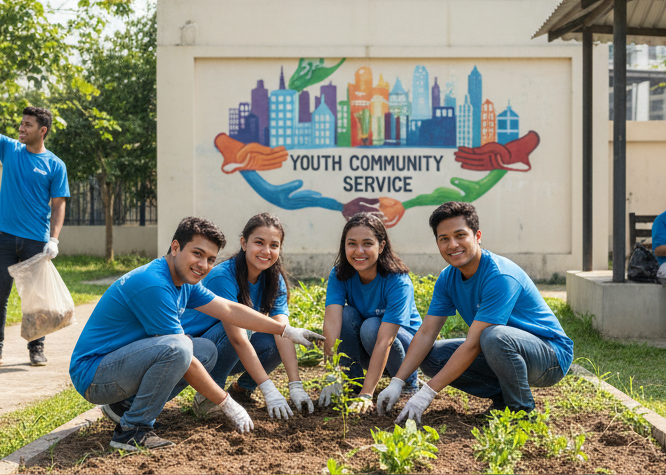
Youth community service is more than just offering a hand, it’s about stepping up, feeling the change you’re making, and turning compassion into action through real impact. When young people get involved with the platform Sevakarmy, they open doors to purpose-driven involvement, meaningful relationships, and leadership through service that helps them grow as confident, empathetic leaders.
Table of Contents
What is youth community service and why does it matter?
When you engage in community service, you’re joining a movement of young people who volunteer, support NGOs, and contribute to society in meaningful ways. At Sevakarmy, students and volunteers are connected with causes such as education, health, the environment, and more.
This kind of service is vital because it
- Youth community service builds empathy and social responsibility in young people.
- Strengthens communities by addressing real issues.
- Prepares youth for leadership roles (via leadership through service).
- Helps volunteers gain skills like teamwork, communication, and problem-solving.
How does leadership through service fit into the picture?
The concept of service-based leadership is central: it means leading not by commanding but by serving, stepping into roles where you support, inspire, and guide others through action. At Sevakarmy, the focus is on empowering students through volunteering so they can experience true leadership through service by managing small projects, coordinating peers, and delivering outcomes.
- They become role models for positive change.
- They become decision-makers who consider community impact.
- Catalysts for further volunteer efforts.
- Reflective individuals who grow through giving.
The 10 Pro Tips youth community service
- Pick a cause you care about
Choose a volunteering opportunity through Sevakarmy in an area you genuinely feel connected to (education, environment, health). When you care, your service will feel meaningful, and your contribution will carry authenticity. - Set clear goals for yourself
Before you begin any project, define what success looks like. You might say, “I want to log 20 hours this semester in service,” or “I will lead a team of three peers in a clean-up drive.” This gives your leadership through service structure. - Connect with your peers and mentors
At the Sevak Army, you’ll find volunteers and coordinators who’ve done this before, use their experience. When you collaborate, your service enriches relationships, and your teamwork becomes collective leadership. - Communicate well and responsibly
Be clear about what you can do, when you’re available, and what resources you need. Keep everyone informed. Good communication enhances your service efforts and builds your credibility as a young leader. - Reflect on your experience
After each volunteering activity, ask: What went well? What could I improve? How did my service help others? Reflection helps you learn, grow, and understand your personal impact more deeply, turning every volunteering effort into a meaningful step toward self-awareness and purposeful leadership. - Seek skills, not just tasks
In addition to doing the work, aim to develop skills like planning, coordination, public speaking, or team motivation. These are the tools of effective leadership and enrich your résumé. - Stay consistent
Volunteering just once is great, but consistency brings a deeper impact. Commit to regular hours or long-term projects in the Sevak Army. That steady engagement boosts your service credibility and momentum. - Cultivate inclusive leadership
Being a leader in service means you invite others, listen to them, and empower them. Make space for voices, ensure diversity, and practice inclusive and empowering teamwork. - Measure your impact
Ask: How many lives did this help? Did the project achieve its goal? At Sevak Army, tracking your hours, roles, and outcomes helps you quantify your service and evaluate your progress. - Celebrate and share your journey
When a project ends, acknowledge the team and share photos or stories (with permission). Your story of service can inspire others to join, and your impact becomes visible and contagious.
FAQs
Q1: What exactly is youth community service?
Service is when young people volunteer their time, energy, and skills to support social causes in their communities. They might join initiatives via Sevakarmy.com to help education, health, or environment efforts. It involves acting with purpose and learning while doing meaningful work.
Q2: How can I find the right volunteering opportunity?
Look for platforms that match your interests, skills, and availability. For example, the Sevak Army lists opportunities for students and young people with NGO partners. Consider the cause, time commitment, and what you hope to gain or contribute, each experience helps you practice leadership through service and grow as a responsible changemaker.
Q3: What skills will I develop by volunteering?
Volunteering helps you sharpen leadership, communication, teamwork, planning, and empathy. You’ll also gain real-world experience and build a track record of service that enhances personal growth and professional opportunities.
Q4: Can volunteering lead to future career benefits?
Yes. Regular service shows initiative, responsibility, and social awareness. Employers and institutions value candidates who demonstrate sustained volunteering, impact orientation, and a service mindset. It’s a strong differentiator in resumes and profiles.
Q5: How do I stay motivated in long-term service projects?
Set smaller milestones, celebrate small wins, engage peers or mentors, reflect on outcomes, and remember the community you’re impacting. Platform Sevak Army can help keep you connected and inspired during your journey.
Conclusion
In summary, embracing youth community service offers young people a pathway to act, learn, and lead. Through meaningful volunteering, platform Sevakarmy brings causes closer to you and help you practice purposeful engagement in real settings. By choosing projects, setting goals, reflecting, and developing your skills, you create impact not just for others but for yourself. As you move ahead, remember: you are at the heart of change, and your service becomes your leadership.
