

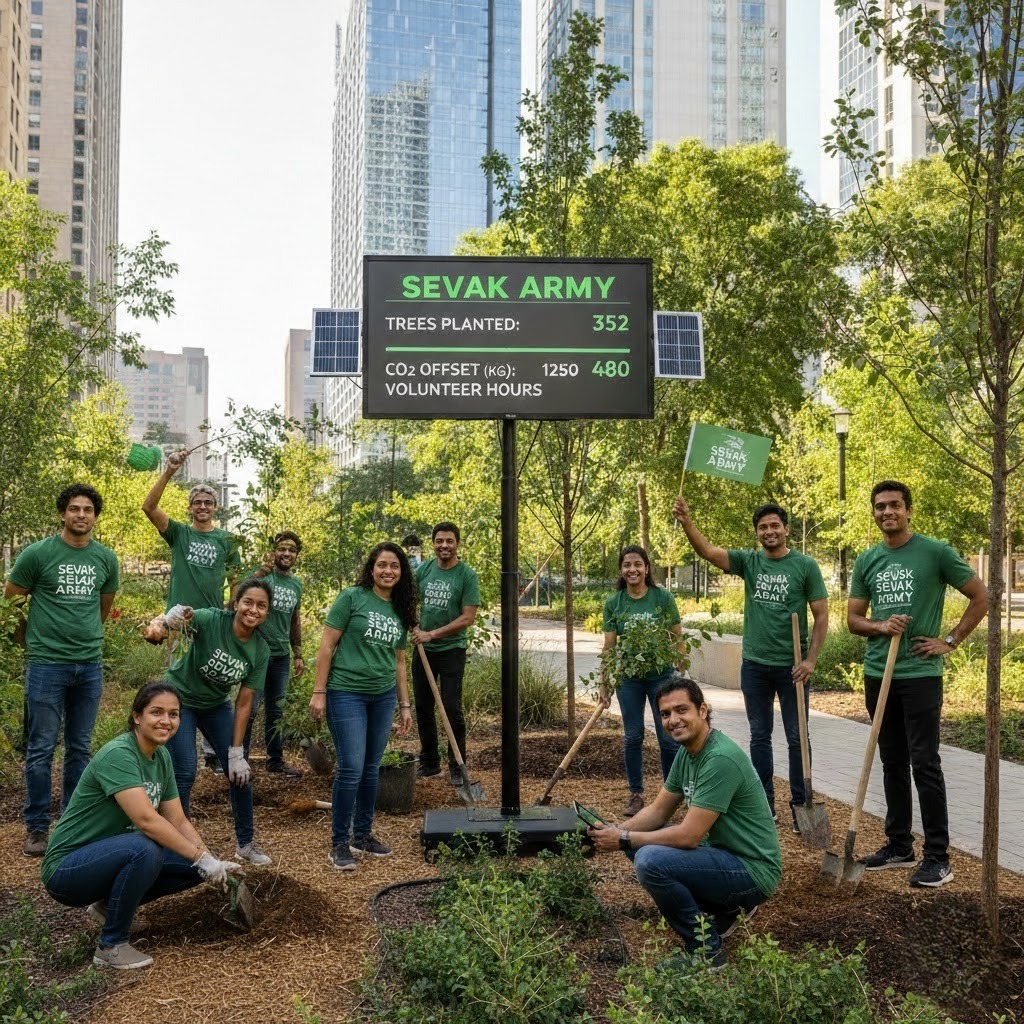
Achievement tracking plays a crucial role in empowering volunteers to stay motivated and consistent in their service. For anyone committed to making a difference, monitoring progress not only highlights personal growth but also ensures that efforts are meaningful and impactful. SevakArmy has made it easier than ever for volunteers to track contributions, earn recognition, and build long-lasting confidence in their abilities through recognized volunteer efforts.
Table of Contents
Understanding Progress Tracking
Achievement tracking refers to the systematic recording of volunteer activities and accomplishments. This method allows volunteers to monitor the hours they contribute, the tasks they complete, and the impact of their efforts. By maintaining a clear record, individuals can see tangible evidence of their progress, reinforcing the value of their work and encouraging continued engagement. SevakArmy makes this process easy, organized, and rewarding for volunteers.
For volunteers, having recognized volunteer efforts provides a sense of accomplishment. When contributions are acknowledged with points, certificates, or public recognition, it motivates volunteers to continue their journey and strive for higher levels of impact. This recognition fosters both personal confidence and a sense of responsibility toward the community.
How It Builds Confidence
- Visualizing Progress
Seeing completed tasks and milestones creates a visual representation of effort and dedication. Volunteers can feel proud of their achievements and motivated to take on more challenges. - Encouraging Consistency
When volunteers know their work is being tracked, they are more likely to participate regularly. Regular engagement leads to skill enhancement, better time management, and a sense of routine in community service. - Providing a Sense of Purpose
Tracking achievements helps volunteers connect their actions to a larger goal. Recognizing small successes along the way makes the overall mission more tangible and personally rewarding. - Boosting Self-Esteem
Every completed task, recorded through achievement tracking and recognized through recognized volunteer efforts, reinforces the volunteer’s capabilities. This positive feedback loop strengthens self-confidence and personal growth.
The Role of Recognized Volunteer Efforts
Acknowledging volunteer contributions through points, badges, or certificates ensures that efforts do not go unnoticed. Such recognition highlights dedication, inspires others, and creates a sense of accountability. SevakArmy provides a streamlined way for volunteers to receive acknowledgment, making the process transparent and motivating. Recognition also fosters healthy competition, encouraging volunteers to reach new milestones and stay committed.
Ways It Supports Long-Term Consistency
- Goal Setting: Volunteers can set clear, achievable targets and monitor progress over time.
- Structured Volunteering: By following a structured approach, volunteers can manage tasks without feeling overwhelmed.
- Motivation through Rewards: Earning certificates and points reinforces commitment and engagement.
- Building Habits: Regularly recording contributions helps form habits that strengthen long-term volunteering behavior.
10 Pro Tips to Maximize Achievement Tracking
- Set Clear Goals: Define weekly or monthly volunteering targets clearly, track them consistently, and ensure they are realistic, measurable, and aligned with your overall community impact goals.
- Use Digital Tools: SevakArmy allows you to log tasks, monitor progress, track hours, and visualize contributions, making volunteering organized and rewarding.
- Celebrate Small Wins: Recognize every minor accomplishment along your journey, reward yourself for achievements, and use them as motivation to maintain momentum in your volunteering.
- Track Hours and Impact: Record both the time spent volunteering and the tangible results achieved, reflecting on how your actions contribute meaningfully to community development.
- Stay Consistent: Regular tracking helps prevent burnout, reinforces positive habits, and keeps you engaged by maintaining focus on your volunteering goals consistently.
- Review Progress Monthly: Reflect on completed tasks, evaluate areas for improvement, and adjust your future volunteering efforts to achieve better results and personal growth.
- Share Achievements: Inspire others by sharing recognized volunteer efforts with friends, family, or community networks to encourage participation and create collective impact.
- Seek Feedback: Request constructive feedback from peers or supervisors, apply suggestions to improve effectiveness, and strengthen your skills and confidence in volunteering.
- Focus on Learning: Treat every task as an opportunity to gain valuable experience, develop new skills, and enhance your understanding of effective community service.
- Reward Yourself: Celebrate milestones by acknowledging your personal victories, maintain enthusiasm for volunteering, and let recognition motivate continued participation and dedication.
FAQs
1. How does achievement tracking help volunteers stay motivated?
Provides tangible evidence of contributions, making volunteers feel accomplished. Seeing progress builds confidence, encourages consistency, and inspires further participation. Recognized volunteer efforts reinforce dedication and help maintain long-term engagement. The Sevak Army makes tracking simple and rewarding.
2. Can volunteering improve personal skills?
Yes, volunteering helps develop leadership, communication, and teamwork skills. Regular involvement allows individuals to gain experience in problem-solving and adaptability. Tracking progress can highlight areas of growth and improvement. Over time, these skills can benefit personal and professional life.
3. How can volunteers maintain long-term consistency?
Consistency comes from setting achievable goals and monitoring progress regularly. Keeping a schedule and reviewing tasks monthly helps maintain momentum. Rewards and recognition for contributions encourage ongoing participation. Sharing progress with peers can also foster accountability.
4. Why is recognition important in volunteering?
Recognition validates the volunteer’s effort and creates a sense of accomplishment. Certificates, points, or public acknowledgment inspire continued engagement. It motivates not only the individual but also encourages peers to contribute. Feeling appreciated strengthens overall commitment.
5. What is the best way to track volunteering achievements?
SevakArmy provides easy tracking for tasks, hours, and impact. Logging each activity helps visualize progress and ensures nothing goes unnoticed. Regularly reviewing achievements can guide goal setting. Consistent tracking also makes volunteering more structured and meaningful.
Conclusion
Achievement tracking is a vital tool for volunteers seeking to build confidence and maintain consistency. SevakArmy makes tracking seamless, rewarding, and impactful, bridging the gap between willing volunteers and meaningful opportunities. With goal setting, structured tracking, and regular reflection, volunteers can strengthen their commitment and create a positive, lasting impact on their communities. Remember, consistent engagement, recognition, and progress monitoring are key to turning voluntary service into a fulfilling journey.
