

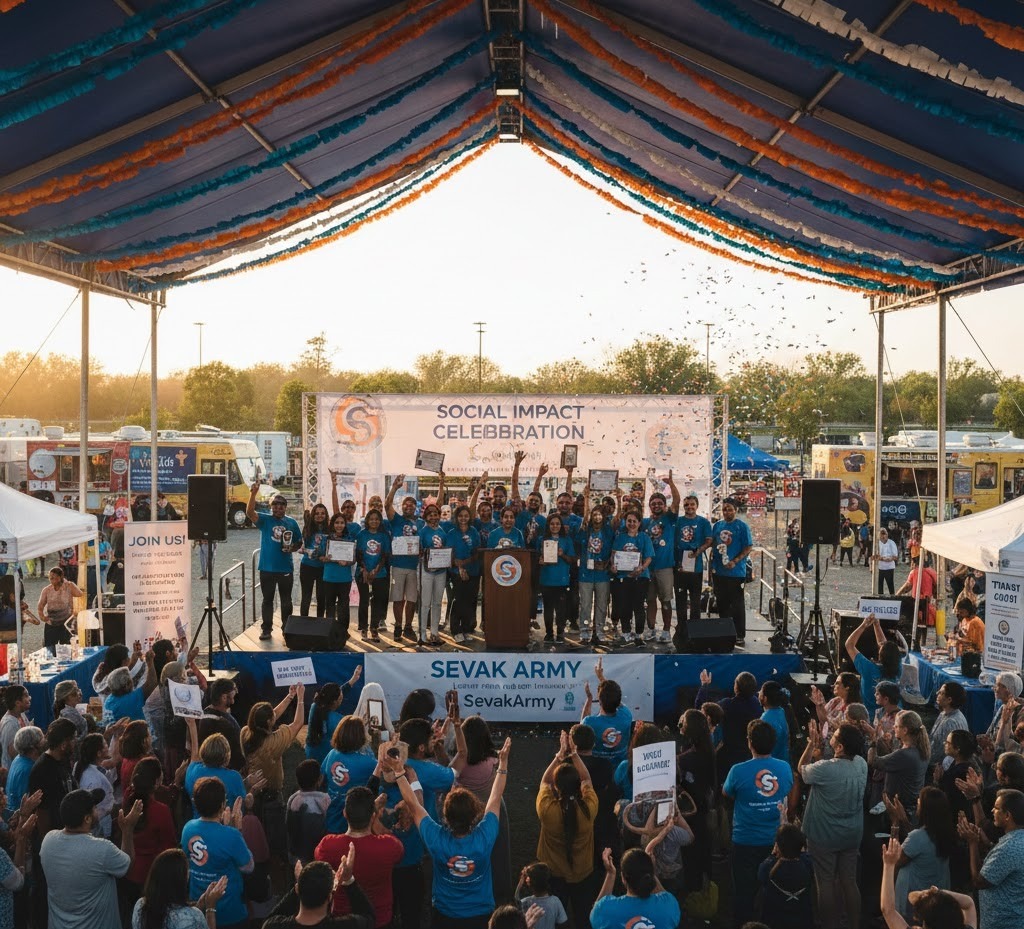
Social impact celebration is a powerful way to honor the hard work and dedication of volunteers who contribute to society. When communities pause to appreciate efforts, they send a strong message, that every hour, every act of kindness, and every small gesture counts. Volunteer Achievement Awards highlight and reward these contributions, fueling motivation and encouraging more people to join hands for a better future. Learn more and get involved at SevakArmy.
Table of Contents
Why Celebrate Volunteer Achievements
Communities grow stronger when the efforts of volunteers are recognized. Celebrating successes, no matter how small, creates a ripple effect of positivity. For example, when members of SevakArmy complete projects, such as cleanups, education drives, or support for those in need, a public acknowledgment strengthens trust and solidarity.
Using occasions like volunteer drives or festivals to highlight the work done helps build morale. It reminds everyone that volunteering is not just about service, it’s about building bonds, inspiring hope, and showing that collective action can create meaningful change.
The Role of Volunteer Achievement Awards
One of the most effective ways to mark impact is through recognition. These acknowledgments, whether certificates, public shout‑outs, or small tokens of appreciation, serve multiple purposes:
- They validate the time and effort volunteers put in.
- They raise awareness about the kinds of work being done.
- They encourage consistency and long‑term involvement.
- They help volunteers feel part of something bigger than themselves.
When the Sevak Army organizes such awards, it does more than just honor individuals. It builds a culture of respect for service, inspiring both awardees and those watching to get involved.
Principles for a Meaningful Social Impact Celebration
When planning these events, certain principles make them heartfelt and effective:
- Transparency: Be clear about who is being recognized and why. Let everyone know the criteria, hours served, impact on the community, and kind of work, when selecting recipients for volunteer achievement awards.
- Inclusivity: Make awards and recognition accessible to all volunteers, not just a handful. Include new volunteers, long‑timers, and even behind‑the‑scenes supporters.
- Public Visibility: Share stories, photos, and testimonials. Public acknowledgment helps volunteers feel proud and motivates others.
- Personal Touch: Personalized notes, small gifts, or heartfelt messages often matter more than grand ceremonies.
- Consistency: Don’t make it a one‑time event. Regular recognition establishes long-term culture.
10 Pro Tips for Organizing a Great Social Impact Celebration
- Maintain Accurate Volunteer Logs
Ensure every volunteer logs their hours, tasks, and feedback. Accurate records help with fair recognition and transparency, especially when determining eligibility for volunteer achievement awards. - Set Clear Award Categories
Define categories like “Most Hours Served,” “Community Impact Star,” “Team Collaboration,” “Star Volunteer,” etc. This gives multiple paths to be recognized rather than just one. - Combine Awards with Stories
Alongside awards, share short stories or testimonials showcasing what the volunteer’s work achieved. It gives deeper meaning to the recognition. - Use Virtual and Physical Platforms
For volunteers from different places, have both online shout-outs and local meet-ups. Virtual certificates and local photo posts expand reach. - Celebrate Small Wins Regularly
Don’t wait for major milestones. Even small deeds, like a single cleanup or donation drive, deserve recognition. Frequent celebrations build ongoing enthusiasm. - Involve the Community
Invite local community members, beneficiaries, or family members to watch or participate. It builds trust, shows real impact, and encourages others to join. - Offer Growth Incentives
Along with awards, offer opportunities like training, leadership roles, or project‑leading chances. Recognition tied to growth keeps volunteers engaged long-term. - Highlight Volunteer Diversity
Recognize volunteers of all ages, backgrounds, and skills. Celebrating diversity shows that everyone has something valuable to contribute. - Document and Share the Impact
Use photos, short video clips, social media posts, or even simple before‑after snapshots to show what changed because of the volunteer’s work. Visual impact matters. - Gather Feedback After Celebration
After the event, ask volunteers what they liked and what could improve. Their feedback helps make future celebrations even better and more meaningful.
How Sevak Army Embodies These Values
SevakArmy is a platform designed to connect volunteers and NGOs across India. It offers a verified list of volunteer opportunities, from teaching children to organizing drives for underprivileged communities.
By using this platform, volunteers can log their service hours, choose causes they care about, and collaborate with like‑minded people.
When such a platform integrates volunteer achievement awards and organizes a social impact celebration, it does more than reward effort. It builds a culture of trust, transparency, and shared responsibility.
That culture helps transform volunteering from a sporadic act into a lifestyle, one where service, empathy, and community care become central values.
FAQs
Q1. What is a social impact celebration, and why should it be organized?
A celebration is an event or initiative to recognize and honor volunteers and their work. It serves to motivate volunteers, showcase their achievements, and build community trust. Such events encourage continued participation and can inspire new people to join.
Q2. How does awarding volunteers benefit the community overall?
Volunteer achievement awards boost morale and encourage volunteers to stay committed. They bring visibility to social causes and help raise awareness among others. These awards can also attract new volunteers, creating a ripple effect of engagement and impact. Communities slowly build a culture of service and trust through such recognition.
Q3. Can small volunteer actions be celebrated too, or do only big projects deserve recognition?
Every act, small or big, matters. Celebrating small actions encourages consistency and makes volunteers feel valued even for minor contributions. That approach builds long-term participation and cultivates a sense of purpose. It also makes volunteering inclusive of people who can only spare limited time.
Q4. How can organizations ensure fairness when giving recognition?
They can maintain transparent and consistent criteria, keep accurate logs, and record volunteer hours and feedback. Involving volunteers in deciding award categories helps too. Including diverse types of contributions ensure fairness and avoid bias. Regular review and community feedback improve the process over time.
Q5. What makes such events effective and memorable?
Clarity of goals, inclusive participation, storytelling, and genuine appreciation make such celebrations effective. When volunteers see the real impact of their work, through stories, community feedback, or visuals, appreciation feels authentic. Regular and consistent recognition builds trust and encourages long-term commitment.
Conclusion
A social impact celebration powered by meaningful recognition can transform the way volunteer communities operate. Recognition builds trust, motivates individuals, and strengthens connections. When a SevakArmy brings volunteers together, facilitates transparent volunteering, and celebrates efforts meaningfully, it helps create a culture of sustained social service.
